Executive Summary
In Colorado’s vast San Luis Valley, opportunity often lies far beyond reach. Spread across 8,000 square miles of rural terrain, students face barriers of distance, transportation, and limited local employers. But a first-of-its-kind collaboration is changing that story.
The San Luis Valley Career-Connected Pathways Partnership, powered by the Attainment Network, unites Monte Vista Schools, Boys & Girls Clubs of the SLV, the LOR Foundation, the Colorado Housing and Finance Authority (CHFA), and Delta Center to bring immersive career exploration to rural students through Transfr VR.
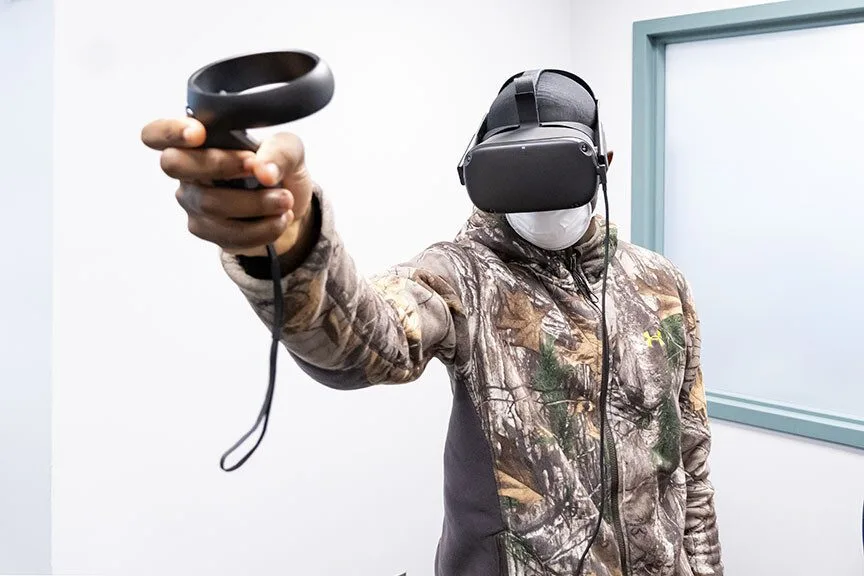
With just three headsets, the partnership has already reached over 260 students—providing skill-based VR experiences in healthcare and skilled trades while connecting learners to real-world pathways like Certified Nurse Assistant (CNA) and Medical Assistant (MA) credentials. This is what happens when collaboration meets innovation: barriers fall, access expands, and a region redefines what’s possible for its youth.
The Rural Opportunity Gap
The San Luis Valley is one of Colorado’s most geographically isolated regions. Spanning 8,000 square miles and six counties, it’s home to small, close-knit communities—each separated by long stretches of farmland and limited infrastructure. For students, that means fewer opportunities for internships, technical training, or exposure to career options outside their immediate surroundings.
“Many of our learners simply can’t access hands-on experiences because of geography,” says Ashley Maestas of The Attainment Network. “We don’t have public transportation, and most of our schools are hours apart. Traditional approaches like job shadowing or offsite training just aren’t scalable here.”
Healthcare and skilled trades employers in the region faced similar challenges. Without enough clinical placements or apprenticeship sites, both industries struggled to meet workforce demand.
The Attainment Network saw an opportunity: to unite education, community, and industry partners under a shared vision—to close rural equity gaps and build a “grow-your-own” workforce pipeline. The question wasn’t if it could be done—it was how.
That “how” would come to life through Transfr’s immersive VR technology.
Building Bridges Through Shared Innovation
In 2025, the Attainment Network and its partners introduced Transfr VR to the San Luis Valley, launching one of the state’s first shared-equipment models for immersive career learning. With support from the LOR Foundation and CHFA, the team secured three headsets and built a rotation system spanning Monte Vista High School, the Delta Center alternative school, and the local Boys & Girls Club.
“Collaboration is the heartbeat of this work,” says Maestas. “Each partner brings something unique—schools integrate the technology into medical and construction classes, Boys & Girls Clubs extend access to middle schoolers and summer programs, and community foundations fund expansion.”
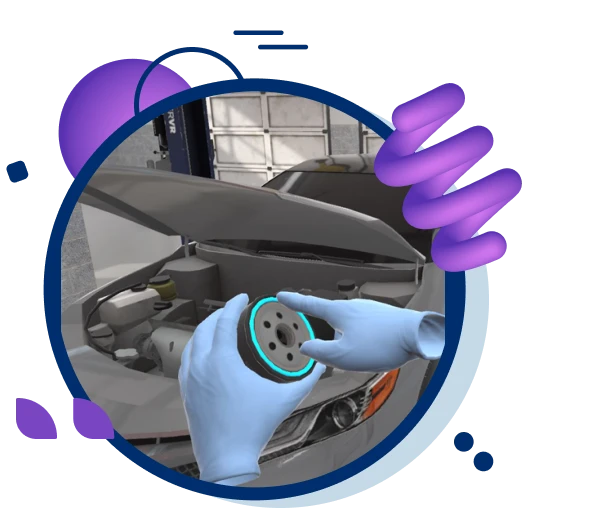
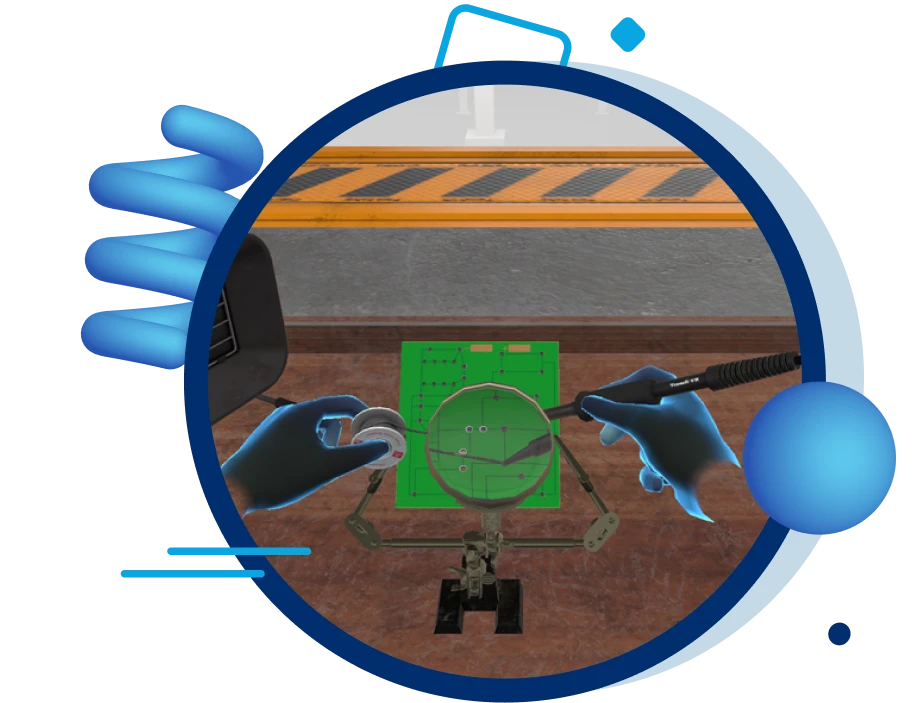
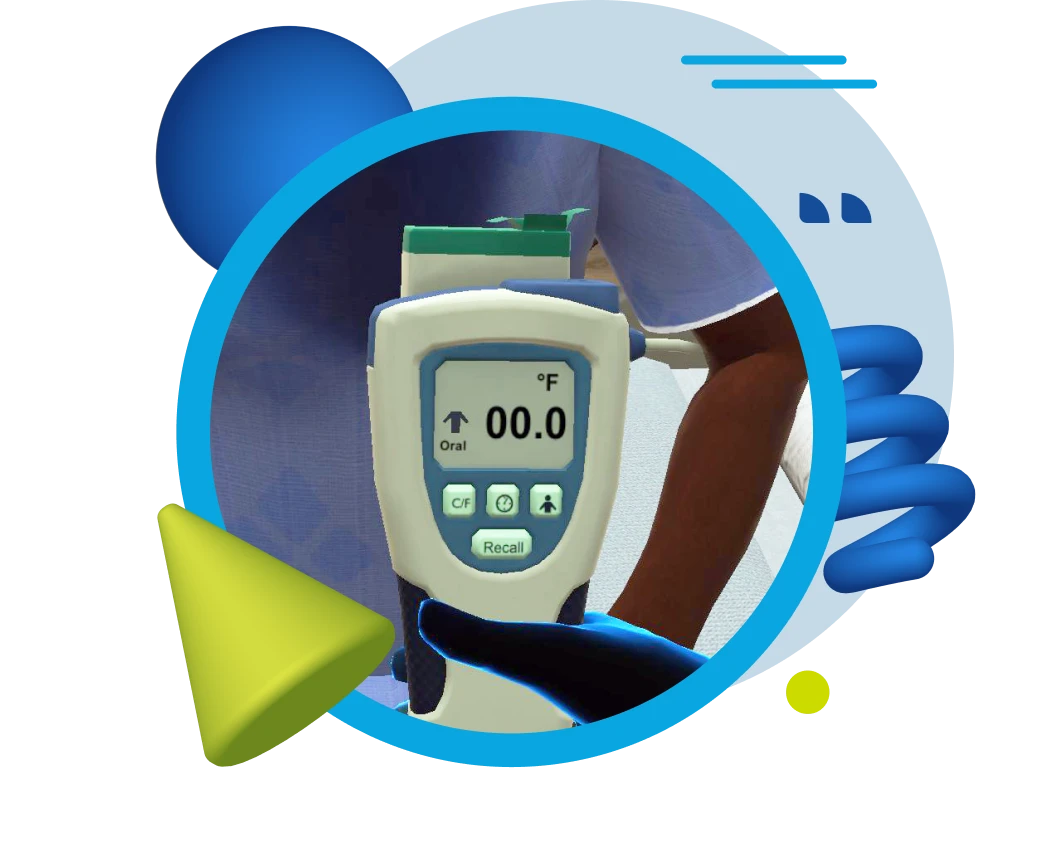
Educators like Emma DeHerrera and Danielle Gibbs now use VR to enhance healthcare programs and career counseling, while construction instructor Aaron Woodkey integrates it into technical coursework. Students explore simulations in phlebotomy, surgical tech, CNA training, CDL operation, welding, and diesel technology—connecting directly to high-demand, high-wage careers in the region.
The results speak for themselves: over 260 learners have already completed over 200 sessions and 100+ hours of immersive training, with growing confidence and curiosity driving demand for more. But beyond the numbers, the greatest achievement lies in the unity of purpose: a region once defined by distance is now defined by partnership.
From Distance to Discovery
The San Luis Valley Career-Connected Pathways Partnership has become a statewide model for rural innovation. What started with three headsets and five partners has grown into a movement bridging education, workforce, and community.
To date:
• 260 students have participated across three institutions.
• 200+ VR sessions and 105 hours of training have been logged.
• Learners are earning stackable credentials like CNA and MA while preparing for real clinical and technical roles.
More importantly, rural students—many from low-income and first-generation backgrounds—are discovering futures they didn’t know were possible. “When a student takes off that headset and says, ‘I didn’t know I could do that,’ that’s everything,” says Maestas.
The partnership’s shared-equipment model has also proven remarkably efficient. By pooling resources across schools, clubs, and community groups, partners ensure equitable access to technology while strengthening local ties. Employers, too, are seeing the benefits: graduates entering healthcare and trades programs now bring foundational knowledge and confidence.
The effort has drawn attention across the state for its scalable, low-cost design—one that can be replicated by other rural regions nationwide.
“Rural collaboration isn’t easy,” Maestas reflects, “but when we come together with a common purpose—to give every student a chance to succeed—it changes everything.”
Looking Toward the Future
The San Luis Valley Career-Connected Pathways Partnership has its sights set on expansion. By 2026, the team aims to reach 300+ students, add new headsets, and integrate VR modules into additional programs—from EMT training to advanced manufacturing.
At the same time, partners are building stronger bridges between exploration and employment. Through dual-credit coursework, internships, and industry certifications, learners can now move from virtual to real-world skill building within their own community.
“Our dream,” says Maestas, “is to make career-connected learning a birthright for rural Colorado students. With partnerships like this, that dream is becoming real.”
What began as three headsets and a handful of champions has evolved into a region-wide proof of what’s possible when collaboration meets creativity.
“We’re not just expanding access—we’re expanding hope.”